10 Qualities of a Loving Grandparent
Grandparenting

Audio By Carbonatix
By Carrie Lowrance, Crosswalk.com
Grandparents are some of the most important people in our lives. They love us, spoil us, and teach us things. We can all learn a lot from their stories and life experiences. Some people have wonderful grandparents and others not so much. If you have or had fantastic grandparents, chances are they have these ten qualities.
1. Unconditional Love and Affection
The love grandparents have for their grandchildren differs from a parent’s love. While parents teach their children and discipline them, grandparents can love in a softer, more gentle way. This doesn’t mean that they don’t correct their grandchildren when needed, they just love more openly. Their affection isn’t pressured by the demands of raising children; rather, it’s more rooted in enjoyment, presence, and emotional generosity.
The following things often mark a grandparent’s love;
-Patience
-Tolerance
-Gentleness
-Acceptance
-Joy in small moments
Grandchildren often see their grandparents as safe havens. Grandma's place always has cookies available, welcomes stories, and meets mistakes with understanding and gentleness. In this environment, children learn that their grandparents love them for who they are.
Why the Love of a Grandparent Feels So Special
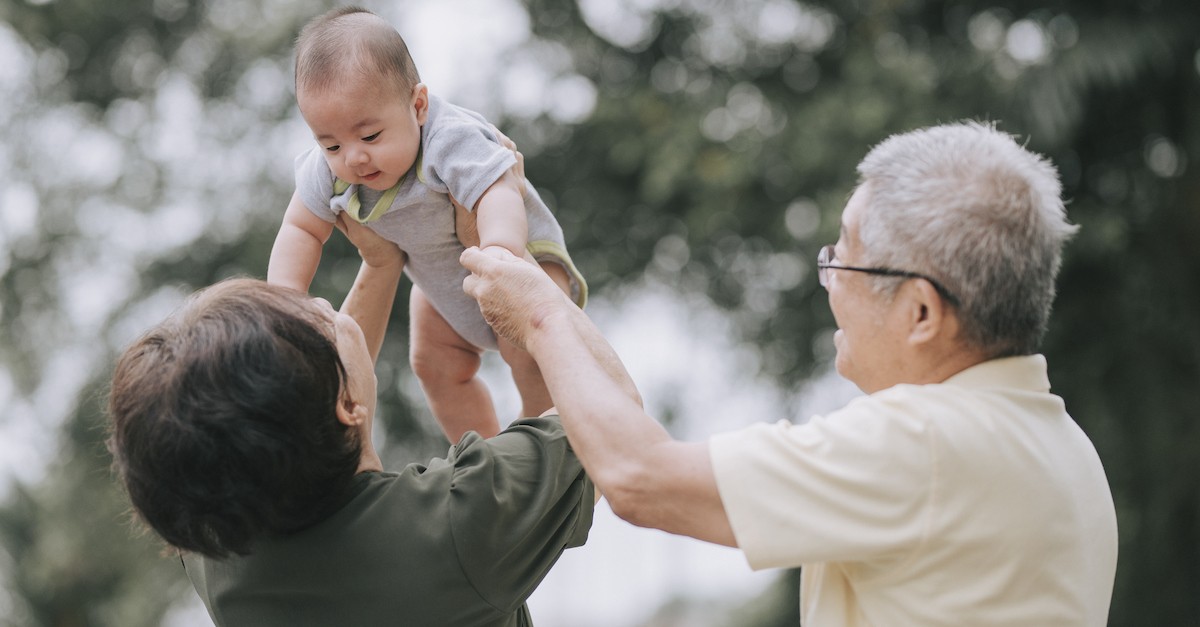
The love of a grandparent feels special for various reasons. For most grandchildren, grandparents are associated with.
-Warm hugs and gentle smiles.
-Homemade meals and family recipes that are cherished. (My grandmother’s buttermilk cookies and elderberry jelly were always favorites of mine.)
-Stories from the past.
-Encouraging words from difficult times.
-A sense of belonging and heritage.
Grandparents make their grandchildren feel special because:
-They provide emotional security.
-They weave wisdom into affection by giving advice and sharing stories from their lives.
-They share special memories and talk about family traditions.
-Grandparents love their children simply by offering their presence.
-They show a love that accepts differences.
-Grandparents are sources of encouragement.
-A grandparent’s love can have healing properties when it comes to family stress, distance, loss, or conflict.
2. Wisdom and Experience
Wisdom is more than knowledge. Where knowledge tells us facts, wisdom helps us apply facts in meaningful ways. With their life experience, grandparents can teach us a lot about perseverance, love, loss, gratitude, and joy. These lessons, learned from living, carry weight and authenticity that children can recognize.
Grandchildren benefit from this kind of guidance in these ways.
-They gain perspective on challenges that may feel overwhelming at the moment.
-Kids learn that mistakes are part of growth, not the end of the road.
-The stories grandparents tell connect abstract values like courage or honesty to real-life examples.
-Kids learn that life has seasons and they can survive the difficult ones.
A grandparent's wisdom can reassure a child that they can manage life's struggles and that setbacks do not define them or their future direction.
3. Patience and Understanding
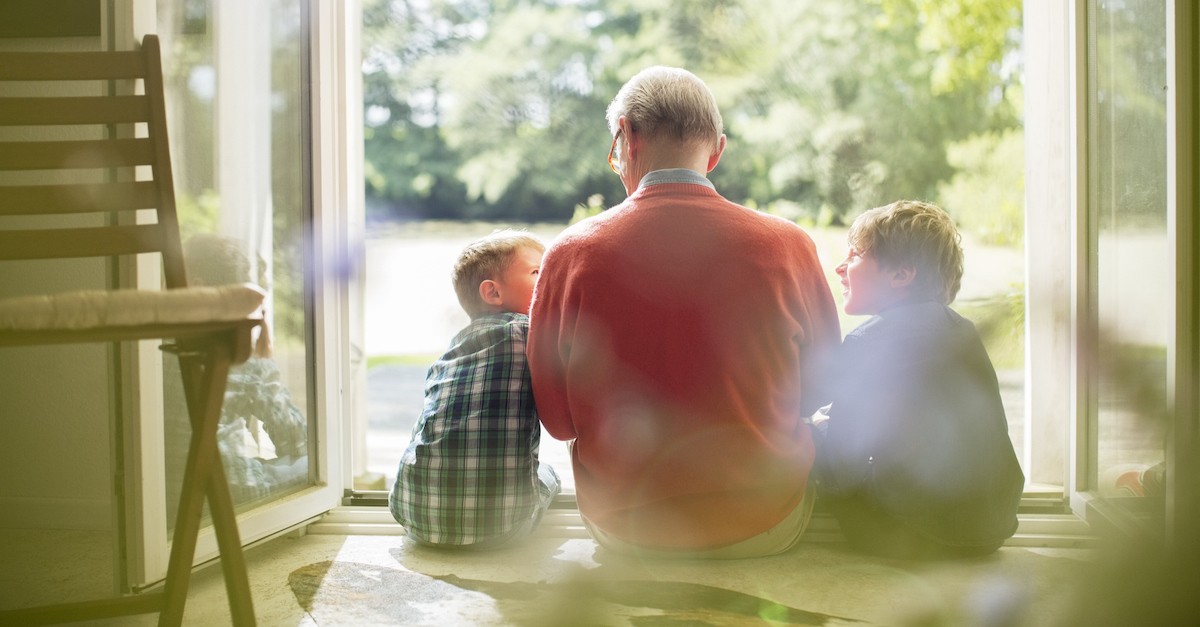
One key aspect of a loving grandparent is patience and understanding. Patience is one of the greatest gifts you can give your grandchildren, especially because they grow at their own pace. When you understand this as a grandparent and give them the time and space to develop, you help nurture confidence, independence, and healthy self-esteem.
Why Patience Matters in Grandparenting
Children are constantly learning how to think, feel, and behave in the world. They make mistakes, ask the same questions over and over, test limits, change interests at the drop of a hat, and experience big emotions with little warning. This is not misbehavior; this is growth in action.
When you, as a grandparent, respond with patience instead of being frustrated, you let your grandchild know they are allowed to be learning and don’t have to be perfect to be loved. This is important because children often feel pressured from many directions, like peers, school, and their parents. Your steady presence will remind them that their growth is a process, not a performance.
You may wonder how you can give them time to develop at their own pace. You can do this by.
-Letting them answer questions without interrupting.
-Not forcing affection, like hugs or kisses
-Accepting that they may not always want to talk right away.
Ways you can give them space to develop include:
-Avoid overcorrection when a child is learning a new skill.
-Give them quiet time when they feel overwhelmed.
-Respect their need for privacy as they grow older.
Ways you can support growth without controlling it include:
-Listen more than you direct.
-Offer guidance gently.
-Respect their parents’ approach to things.
-Celebrate effort, not just the results.
-Allow emotional space.

4. Supportive Presence
One of the most important gifts you can give your grandchildren is being a dependable presence in their lives. Supportive grandparents don’t just show up for celebrations and milestones; they also show up when things get hard in times of uncertainty, stress, and difficult transitions.
Sometimes, when people think of a reliable person, they think of perfection, constant advice, or grand gestures. However, not doing these things doesn’t mean you’re not reliable. Instead, reliability often means steadiness, patience, and the willingness to listen. In all seasons of life, grandparents can become a source of emotional security, wisdom, and belonging for their grandchildren and the entire family.
What Does a Supportive Presence Mean?
A supportive presence isn’t just about being there physically. It’s the sense that you are emotionally available, consistent, and caring. Your kids and grandkids will find comfort in knowing there is someone in the family they can count on. Every grandparent’s support will look different depending on health, distance, and abilities. Here are some ideas of what it could look like.
-Attending important events
-Listening without judgment
-Offering encouragement
-Sharing family history and perspective
-Maintaining contact through calls, messages, or visits.
-Creating a calm, welcoming space in your home.
-Being a dependable person through both happy and difficult times.
5. Active Engagement
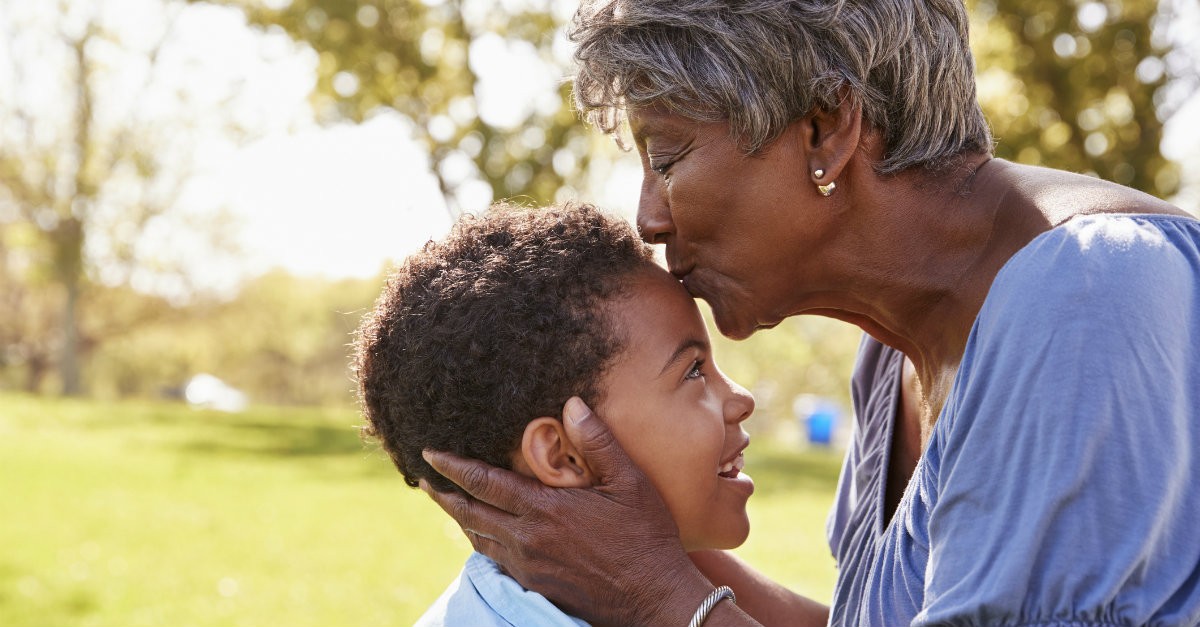
Grandparenting has changed over the years. Where older generations were not physically fit and dealt with different illnesses, today’s grandparents are healthier, more active, and more involved than previous generations. They are more mentally fit as well. Grandparents today are mentors, cheerleaders, playmates, and trusted companions in children’s lives. Some grandparents are regularly involved in their grandkids' lives, while others are raising them. Either way, being active in your grandkids' activities, hobbies, and interests is important and has many benefits.
It strengthens the grandparent-grandchild bond and supports a child’s sense of identity. It encourages confidence and self-esteem. Being active in your grandkids' lives creates opportunities for learning and curiosity. It helps children feel supported and secure. When grandparents are active in their parents' lives, it can improve communication across generations. It promotes grandparents' emotional well-being and builds family traditions and lasting memories. Being engaged in their grandkids' lives helps grandparents understand modern childhood. It makes grandparenting more meaningful.
Practical Ways for Grandparents to Get Involved
Not sure how to get started actively engaging with your grandkids? Here are some tips.
-Attend events when possible (sports games, chess tournaments, STEM activities)
-Ask about their interests.
-Learn something together (teach them to cook or bake and have them teach you how to play a video game, use technology, etc.)
-Share your own passions.
-Read together and talk (Choose a book to read together or read a magazine article and talk about it.)
-Be present without taking over. (Sometimes watching, listening, and encouragement can be enough.)
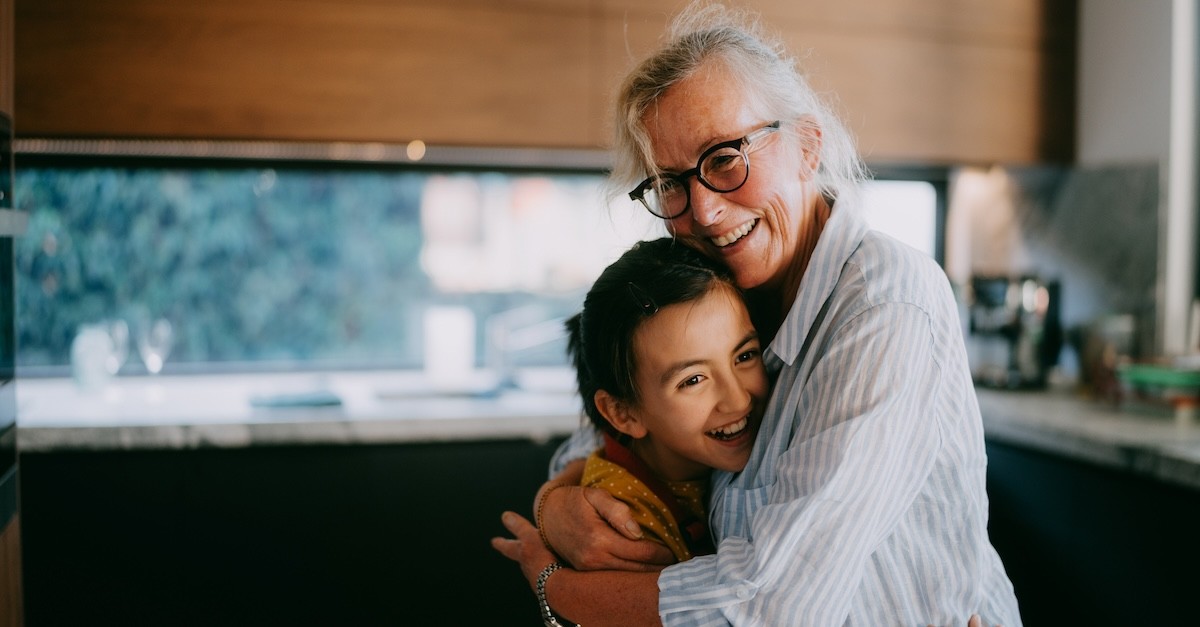
6. Encouragement of Individuality
One of the most valuable gifts you can give your grandkids is encouraging individuality. Peers often pressure kids to fit in at school, and sometimes parents do too, so creating a safe and loving environment where your grandchild can explore who they are is invaluable.
Why Individuality Matters?
Every child is born with a personality; some love sports and STEM activities, while others prefer reading, art, or music. Pressuring kids to conform can lead them to conceal their genuine interests or question their self-worth, gradually eroding their self-esteem. Encouraging individuality teaches children that being different is acceptable and valued. They understand their ideas, feelings, and preferences matter. Being seen and accepted builds emotional security and confidence. Grandparents have a unique advantage in their grandkids' lives: they have more time, patience, and perspective than busy parents. Their relationship can feel less pressured and more nurturing, which makes them the ultimate encouragers of self-expression.
Here are some ways to foster self-expression.
-Listen with genuine interest.
-Celebrate their interests, even if they differ from yours.
-Praise effort and originality
-Allow room for choice
-Support creative expression
-Respect unique personalities
It’s also important to avoid labeling and support mistakes as part of learning and modeling authenticity, which will help build confidence through acceptance.
7. Cultural and Family Traditions
Passing down family traditions is an outstanding quality for a loving grandparent. You can talk to your grandchildren about how certain traditions in your family got started. Some may have started before they were even born. You can also start new traditions with them. Sharing these traditions will help make memories for a lifetime.

8. Playfulness and Fun
Playfulness is more than just “being silly”; it’s a relational skill that helps people feel connected, safe, and emotionally refreshed. Being playful adds a lightness to human connection, signaling that a relationship isn’t about responsibility and being serious all the time, but also about enjoyment. This is important because people feel close to others when they experience positive emotions together. The same goes for you and your grandchildren.
Here are some ways to bring playfulness into your relationship with your grandchildren.
-Share inside jokes
-Try something new together
-Make room for lightness in daily routines
-Be willing to laugh at yourself
-Use playful rituals
-Respect boundaries
9. Open Communication
Open communication is the practice of sharing feelings, information, ideas, and feedback in a direct yet respectful way. It means speaking honestly and listening attentively. Someone who communicates openly doesn’t always say everything that is on their mind without a filter. Instead, they express themselves clearly while considering the impact of their words.
Open communication involves:
-Honesty
-Transparency
-Respect
-Active listening
-Openness to feedback
Trust is the invisible thread that holds communication together, and your grandchildren should always feel like they can trust you. (Of course, there are situations where you should talk to their parents, like if they are doing something illegal or are damaging to themselves or others.) But when trust is present, conversations are safer and more productive.
Trust allows people to:
-Share concerns before they become larger problems.
-Admit mistakes without fear of humiliation.
-Ask questions freely.
-Collaborate more effectively
-Resolve agreements with less tension.
A meaningful conversation includes:
-Sharing personal thoughts without fear of rejection.
-Asking thoughtful questions.
-Allowing silence and reflection
-Responding with empathy rather than judgment
-Seeking understanding instead of trying to ‘win’.
By keeping these things in mind, you can have open communication with your grandchildren and keep those lines open.
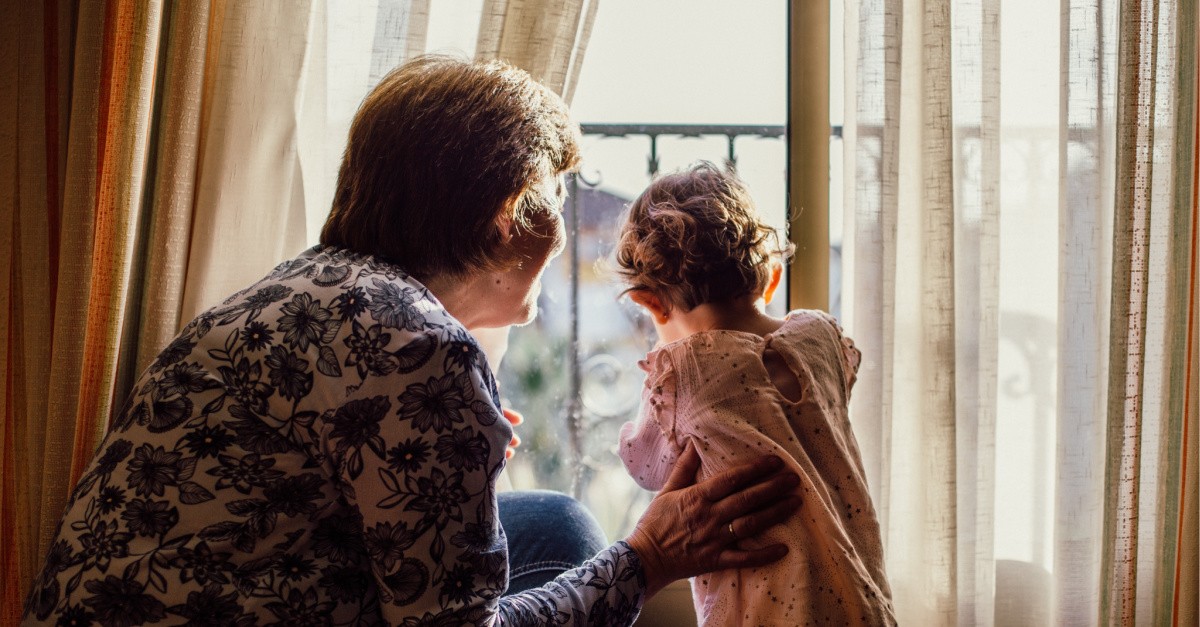
10. Nurturing and Caring Attitude
Having a nurturing and caring attitude towards your grandchildren is important. Your home should feel like a place to find comfort and people who care. A caring or nurturing attitude goes beyond being polite or occasional kindness; it is a way of treating others with respect, tenderness, and genuine concern for their well-being.
Having a nurturing and caring attitude means
-Listening attentively
-Showing empathy and compassion
-Offering encouragement
-Providing reassurance during difficult times
-Responding with patience rather than judgment
-Creating a sense of safety and belonging
At its core, nurturing means helping others feel protected and supported, while caring reflects an active interest in their comfort, happiness, and growth. This is one of the best qualities of a loving grandparent, and your grandchildren will appreciate it more than you know.
Grand gestures don’t measure the heart of a loving grandparent, but by the steady presence, warmth, and wisdom they bring into a child’s life.
Related:
10 of the Greatest Things about Being a Grandparent
What Does the Bible Say about the Value of Grandparents?
7 Things Adult Children Want Their Parents to Know


